Published 4 August 2026
Getting to the Madrid F1 Grand Prix, 11–13 September
How to reach the MADRING circuit at IFEMA for the 2026 Spanish Grand Prix: metro, Cercanías, taxi, and why the airport is both the easy part and the hard part.
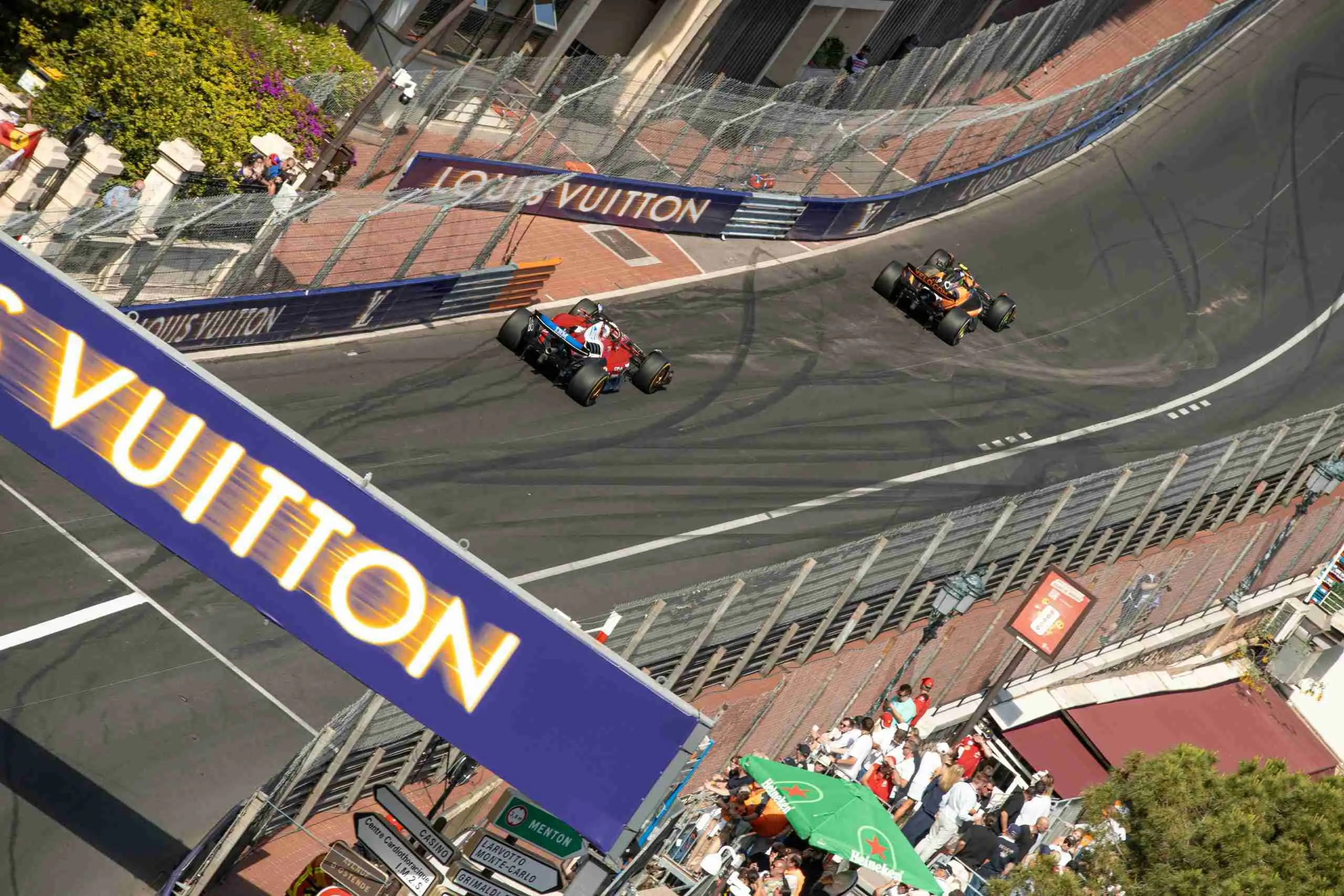
Formula 1 comes back to Madrid on 11–13 September 2026, more than forty-five years after the last time. The race runs on the MADRING, a hybrid circuit — part street, part purpose-built — laid around IFEMA across the Valdebebas and Hortaleza districts.
If you already have tickets, the racing will look after itself. The part worth planning is how you get in and, more to the point, how you get out.
Why this circuit is a transport problem
Most Grand Prix venues sit outside the city, with a motorway and a field of parking around them. This one does not.
The MADRING is inside Madrid, in a district that is already the corridor between the city and the airport. A 5.4-kilometre circuit dropped there means road closures in exactly the area everyone else is using to reach Barajas.
Two consequences follow. Getting to the circuit is easy, because it is well connected. Getting away after a session is not, because a hundred thousand people try it in the same twenty minutes.
Public transport: good, and it will be full
Metro line 8 stops at Feria de Madrid, next to IFEMA, and runs to Nuevos Ministerios in one direction and the airport terminals in the other. It is the most direct link, which also means it is where the crowd goes.
Cercanías serves Valdebebas on the line between Chamartín and the T4 terminal.
Both work well going in, when arrivals spread across a few hours. Coming out they get the whole grandstand at once. Expect queues at the platform, not just on the train.
The airport detail, in both directions
Barajas is about five minutes from IFEMA. That is genuinely useful: you can land and be near the circuit before you have finished reading the arrivals board.
It cuts the other way too. That weekend the airport handles its normal traffic plus a Grand Prix’s worth of arrivals and departures, through the same roads the circuit is closing. If your flight leaves on Sunday evening, right after the race, treat that as the tightest connection of your trip and give it far more margin than you would in a normal week.
The airport transfer fare does not change for a race weekend: a flat €33 between any terminal and anywhere inside the M-30, set by the City Council.
What a taxi actually gives you here
Two things, and it is worth being precise about which.
The bus-taxi lanes. As a licensed taxi we use lanes that private cars and ride-hailing vehicles cannot. On a day when the surface roads around Valdebebas are saturated, that is the difference that matters, and it is not something you can buy from an app.
A meeting point agreed in advance. After a session, phone signal is patchy, everyone is looking for a car, and “I’ll find you” does not work. The point is fixed before you go in.
What a taxi does not give you is a way past a road closure. Nobody has that. On race day the final stretch is on foot for everyone, and honest planning starts from there.
Where exactly the drop-off will be
We do not know yet, and neither does anyone else quoting you a gate number.
The official access and taxi zones for the MADRING are published by the organisers as the event approaches, and they are usually adjusted between the practice days and race day. Anyone naming a precise drop-off point today is guessing.
What we do is straightforward: we track what the organisers publish, and we confirm your meeting point by WhatsApp the day before, when the information is real rather than predicted.
Practical timings
Going in, aim to arrive well before the session — not because access is slow, but because the last kilometre is walked, and gates funnel.
Coming out, you have two options and they are both fine. Leave immediately and accept the crush, or stay put for forty minutes and let it drain. The second is usually faster in wall-clock terms and considerably more pleasant. If your car is booked, the wait is somewhere to sit rather than a queue to stand in.
Between sessions, hourly standby is worth considering if you are moving between the circuit, a hotel and dinner. It is the difference between three separate hunts for a car and one that is already yours.
If you are organising for a group
Multi-vehicle movements, named passenger lists and multi-stop routes are all workable, and for companies we invoice afterwards so your guests never handle payment. The F1 and events page covers how that works.
Book earlier than feels necessary. That weekend, the cars in Madrid are finite and the demand is not.
One clarification: we are transport only. We do not sell tickets or run tours.